As digital marketers, we often get stuck in the weeds of execution. We obsess over CPCs, CPM’s, Carousel Orders, and Placements. We spend hours tweaking headlines to include exact match keywords. But in the race to optimise the how, we sometimes lose sight of the most important question: What are we actually selling?
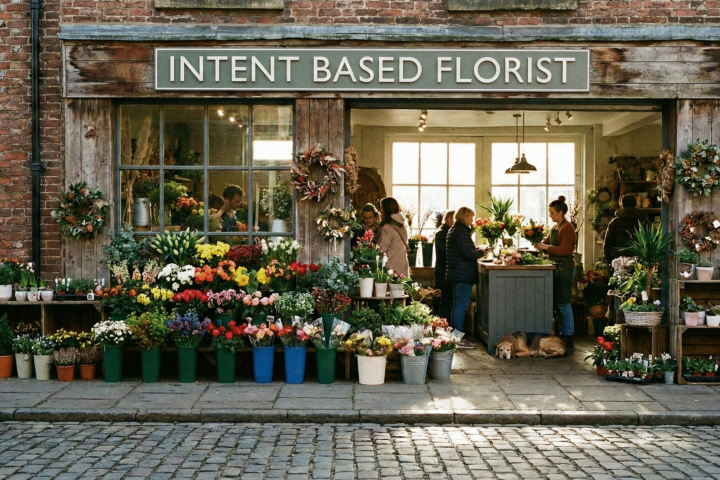
A wise person once told me, “A florist doesn’t sell flowers; they sell hope and appreciation.”
If you walk into a florist, yes, you walk out with a bouquet of roses or lilies. But the transaction wasn’t about the flora. Almost no one buys a dozen red roses because they have a deep, burning passion for horticulture.
- They are buying forgiveness for a forgotten anniversary.
- They are buying hope that a first date goes well.
- They are buying sympathy for a grieving friend.
- They are buying a way to say “I love you” without using words.
The flower is just the vehicle. The product is the emotion.
The Disconnect in Paid Media
This concept is where many paid media campaigns fall flat, particularly in search and social advertising.
For example, when we set up a Google Ads campaign, the default instinct is to sell the features. We write copy such as “Fresh Red Roses. Same Day Delivery. $50.”
While this is factually correct, it’s emotionally hollow. It treats the purchase as a utility. It assumes the user is looking for a commodity. But if your competitor’s ad reads, “Make Them Smile Tonight. Stunning Roses Delivered in 2 Hours,” they aren’t selling a plant anymore; they are selling a successful evening. They are selling the result.
Moving From Features to Outcomes
Understanding the “Flower Shop” concept shifts how you approach your strategy, from your ad copy to your landing pages.
- Sell the “After” State. Don’t just describe the service; describe what life looks like after the user converts. If you are marketing SaaS software, you aren’t selling “cloud-based project management tools.” You are selling “leaving work at 5 PM because your team is finally organised.”
- Emotional Keywords vs. Transactional Keywords In Google Ads, we love high-intent transactional keywords. But sometimes, the best hooks are emotional. Testing ad copy that speaks to anxiety (for security products) or ambition (for B2B services) often outperforms dry, feature-heavy text, negating the slightly worse CPC due to quality score.
- The Image is the Story In Meta or Display ads, does your creative show the product, or does it show the person enjoying the result of the product? A photo of a drill is boring. A photo of a perfectly hung family portrait (which required the drill) is compelling. Think, ‘A thousand songs in your pocket’.
Why This Matters
We are in the business of buying attention and driving action. To do that effectively, we have to stop thinking like vendors and start thinking like psychologists.
The next time you sit down to draft a campaign structure or write headlines, ask yourself: Am I selling the flower? Or am I selling the hope?
The data might tell you who is clicking, but the emotion is the reason they click in the first place.