On 15 June, Meta switched on AI Mode across Facebook. Ask a question in plain language and Meta AI answers it from what real people are posting, instead of handing you a list of links. A small interface change with a large strategic story behind it.
For years the smart money said social platforms were quietly becoming search engines. Meta just made it official. Facebook now reads the room and answers you directly, and that reframes the contest with Google and TikTok at the same time.
Why this was always coming
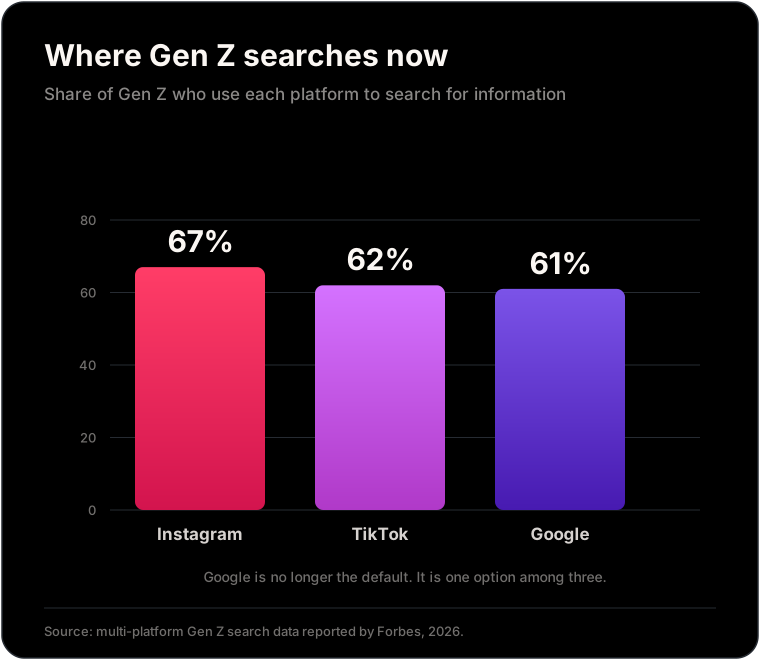
People already search inside the apps they live in. They look for a cafe, a product review or a how-to without ever opening a separate search bar. Among Gen Z, the gap between social and search has all but closed. Instagram, TikTok and Google now sit within six points of each other as places to look things up.
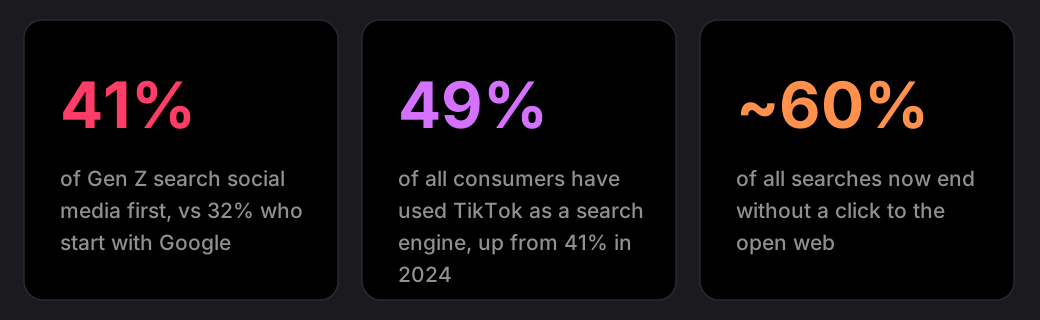
The headline number underneath that chart: 41% of Gen Z now reach for social media first when they want information, against 32% who start with Google, per Sprout Social and Attest. Roughly half of all consumers say they have used TikTok as a search engine, up from 41% two years ago, per Adobe Express. The behaviour was already there. Meta just built the tooling to capture it.
What actually changed on Facebook
The old Facebook search engine was essentially just classic-keyword retrieval. You typed words, Facebook matched them to posts, people, pages and Marketplace listings, and you scrolled a list. You did the synthesis yourself.
Meta AI Mode flips that. You ask in plain language, and Meta AI reads across public posts, including Groups and Reels, then returns a single synthesised answer. It runs on Muse Spark, the first model from Meta Superintelligence Labs, released in April 2026. The promise is real perspectives from real people rather than a generic list of results.
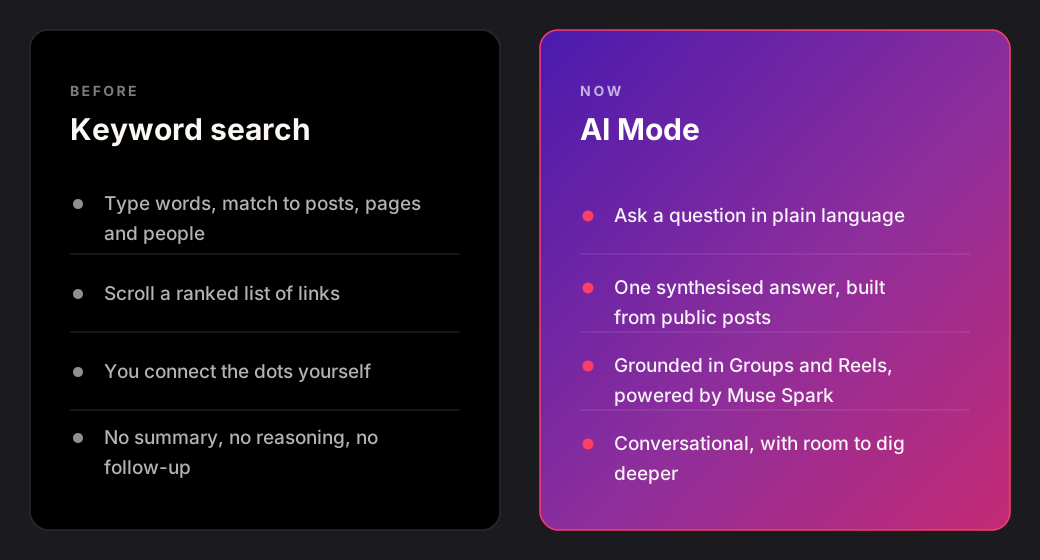
The move is from retrieval to answers. It is the same shift Google made with AI Mode and AI Overviews, and the same shift every chatbot is making. The difference is reach: Meta is bringing it to the one place a few billion people already open every day.
The walled garden, and the question that matters
For more than a decade, Facebook has been built to keep you in. Outbound links get less reach, links open in the in-app browser, and referral traffic to the open web has collapsed. This is the context every marketer should hold in their head when they read the AI Mode announcement.
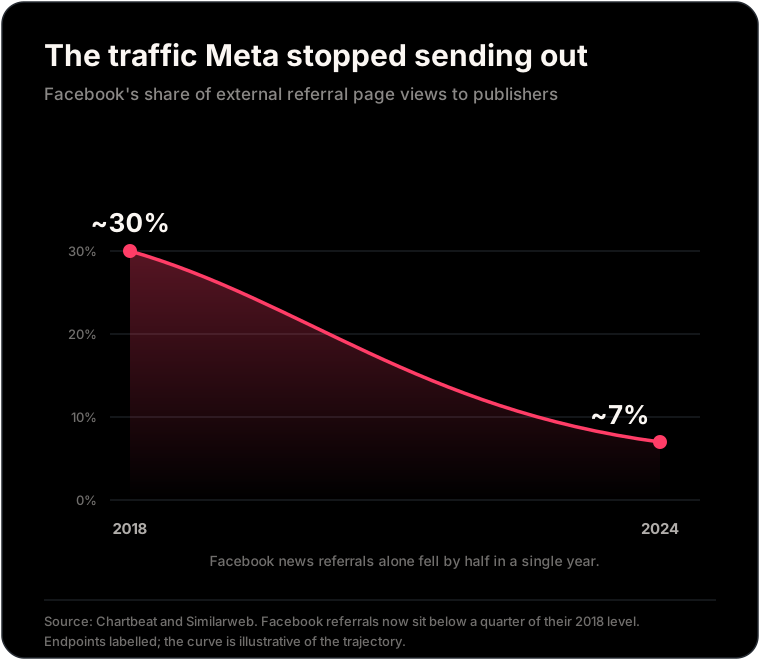
So the real question about AI Mode is not whether the answers are good. It is this: when Meta AI answers, does it send anyone out of the ecosystem?
Here is the honest read. For this launch, mostly not. Not without explicit instruction within our testing.
AI Mode’s answers are grounded in Meta’s own public posts, which keeps the value, and the user, inside the garden. That is the classic walled-garden play, now wearing an AI coat. Critics have already flagged the flip side: answers built from everyday posts rather than vetted sources can surface outdated or wrong information, the same concern raised about Google’s AI Mode.
But the wall is showing cracks. Muse Spark’s shopping mode already pulls product options from across the internet, not just from Meta, and Meta’s content fetcher can cite and link back to external pages in some AI answers. The direction of travel is towards attribution. Whether AI Mode itself adopts visible, clickable sources is the thing to watch, because that single design choice decides whether brands can earn traffic from it or only earn a mention.
What it means for Google and TikTok
For Google, this is another front in the AI-answer war, this time on ground Google cannot reach. The contest is now inside Facebook’s logged-in graph, where the open web does not get a vote.
For TikTok, Meta is matching the thing TikTok does best: people-powered, experience-led answers. When someone searches TikTok, they want to know what real people actually think, not ten blue links. AI Mode is Meta saying it can serve that same instinct, with a model sitting on top to summarise it.
The takeaway for anyone planning media: search is no longer one box. It is fragmenting across feeds, and every platform is racing to be the place you ask first.
What you can do about it
Meta’s participation in AI-search is a great opportunity for brands & marketers as it presents a new intent marketing & SEO opportunity. Here is where we would focus.
Intender’s advice to marketers
- Treat social as a search surface, not just a broadcast channel.
Optimise profiles, Reels and Group content around the questions your audience actually types, not just the messages you want to push. - Build for answers, not only rankings.
Meta AI search relies on relevance & context, therefore, there is an SEO opportunity. As a result, clear, quotable, well-structured content is what these systems lift. Write so a model can summarise you accurately and credit you cleanly. - Watch the sourcing.
The moment AI Mode shows clickable sources, it becomes an earned-media channel worth real effort. We are tracking that change closely. - Keep your spend where the questions are.
That is several places at once right now. Let audience behaviour set the split, and revisit it as social search matures.
Meta has not opened the gates however, it has built a smarter front door and kept most visitors inside.
The brands and marketers that will win the during the next phase of search will be the ones that show up usefully on every surface where people ask, and are ready the day the door swings outward.